
Top Waterproofing Products for Reliable Protection
Discover the leading waterproofing solutions designed to safeguard your property from moisture and water damage effectively.
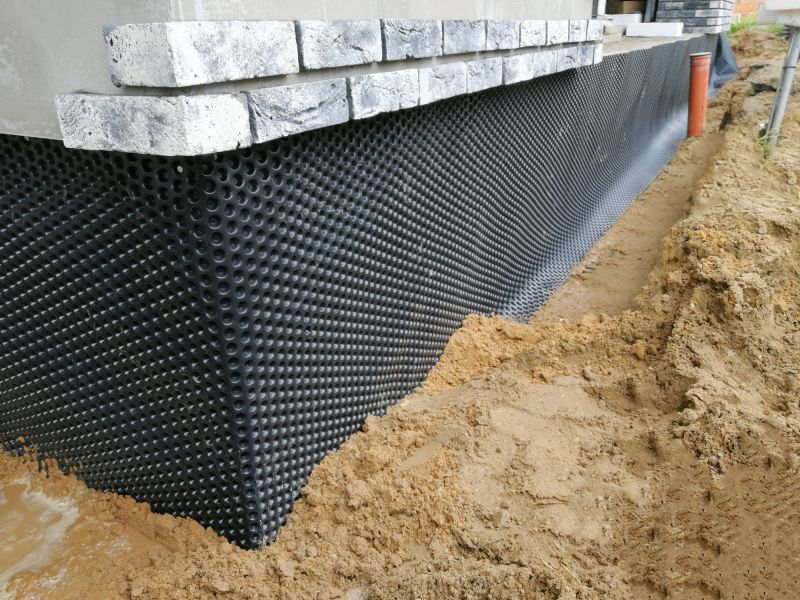 Waterproofing products are essential solutions for protecting structures from moisture intrusion and water damage. Whether for residential, commercial, or industrial applications, selecting the right waterproofing materials can significantly enhance the durability and integrity of foundations, roofs, basements, and other vulnerable areas. These products are designed to create barriers against water infiltration, helping to prevent issues such as mold growth, structural weakening, and interior damage.
Top Overall Option
Liquid Waterproofing Membrane
A versatile liquid membrane offers seamless application, forming a durable barrier against water ingress on various surfaces. It is suitable for roofs, foundations, and terraces, providing a flexible and continuous layer that adapts to surface movements. Easy to apply with brushes, rollers, or sprayers, this type of waterproofing is favored for its adaptability and reliable coverage. Proper surface preparation and adherence to application guidelines are key to achieving optimal results.
Types of Products For Waterproofings
Liquid Waterproofing Membranes
Fluid coatings that form seamless, flexible barriers on various surfaces, ideal for roofs and foundations.
Bituminous Coatings
Asphalt-based coatings suitable for below-grade waterproofing and roofing applications, offering good adhesion and durability.
Polyurethane Coatings
Flexible coatings that provide excellent adhesion and waterproofing for roofs, decks, and concrete structures.
Rubberized Membranes
Sheet or liquid membranes made from rubber compounds, used for flat roofs and pond linings.
Sealants and Caulks
Flexible sealants designed to fill cracks, joints, and seams to prevent water infiltration.
Waterproof Tapes
Self-adhesive tapes used to seal joints, cracks, and seams on various surfaces for quick repairs.
Cementitious Waterproofing
Waterproof coatings made from cement-based materials, suitable for basement walls and concrete structures.
Liquid Rubber Coatings
Highly elastic coatings that provide waterproofing for roofs, decks, and ponds.
Crystalline Waterproofing
Chemical treatments that penetrate concrete to form water-resistant crystals.
Bitumen Sheets
Pre-formed sheets used for foundation and roof waterproofing, often combined with other membranes.
Polymer Modified Bitumen
Enhanced bitumen membranes with added polymers for increased flexibility and longevity.
Hydrophobic Paints
Coatings that repel water and are used to protect exterior surfaces from moisture.
Popular Choices
Widely used for their seamless coverage and adaptability across various surfaces.
Commonly chosen for their proven performance in below-grade projects.
Favored for their flexibility and strong adhesion on different substrates.
Popular for quick repairs and sealing around joints and cracks.
Often selected for basement walls and concrete structures due to ease of application.
Chosen for their elasticity and durability on roofs and decks.
Popular for penetrating concrete and offering long-term water resistance.
Commonly used for sealing around windows, doors, and joints.
Prevalent in foundation and roofing projects for their reliability.
Preferred for areas requiring increased flexibility and resistance to movement.
The range of waterproofing options available includes liquid membranes, sealants, coatings, membranes, and waterproof tapes. Each type serves a specific purpose and is suited for different surfaces and environmental conditions. Liquid waterproofing membranes, for instance, are often used on flat roofs and terraces, providing seamless coverage that adheres well to various substrates. Sealants and tapes can be applied to joints, cracks, and seams to ensure a tight seal and prevent water seepage.
Choosing the appropriate waterproofing product depends on several factors including the area to be protected, exposure to weather elements, substrate material, and the desired longevity of the solution. Proper surface preparation and application are crucial for optimal performance. It is also important to consider the product’s compatibility with existing materials and its ease of application, especially for DIY projects or professional installations.
Regular maintenance and inspections can extend the lifespan of waterproofing systems. When selecting products, look for those that are suitable for your specific needs and environment, and follow manufacturer instructions carefully. Investing in quality waterproofing materials can provide peace of mind by helping to safeguard your property from water-related issues over time.
Key Buying Considerations
- Identify the specific area or surface that requires waterproofing to select the appropriate product type.
- Consider the environmental exposure, such as weather conditions or water pressure, to choose a suitable material.
- Evaluate the substrate material to ensure compatibility with the waterproofing product.
- Determine whether a liquid, sheet, or sealant solution best fits your project needs.
- Check the product’s adhesion properties and flexibility to accommodate surface movements.
- Assess ease of application, especially if DIY installation is planned, including tools required.
- Review the expected lifespan and durability of the waterproofing solution for your specific application.
- Look into the product's curing time and whether it fits your project timeline.
- Consider the ease of maintenance and reapplication if necessary over time.
- Verify if the product is suitable for below-grade, rooftop, or wall applications based on your project.
- Examine the manufacturer's instructions and recommendations carefully for proper application.
- Factor in the cost and whether the product offers good value relative to its performance.
- Check for compatibility with other building materials and existing waterproofing systems.
- Ensure the product complies with local building codes and standards relevant to your location.
- Think about the environmental conditions in Hilliard, OH, such as seasonal weather, that may influence product choice.