Optimal Timing for Waterproofing Applications
Proper timing is essential for effective waterproofing applications. The optimal period depends on weather conditions, temperature, and the specific type of waterproofing material used. Applying waterproofing during suitable weather ensures longevity and effectiveness.
Spring offers moderate temperatures and increased humidity, making it a suitable time for waterproofing projects before the summer heat begins.
Summer requires dry weather with minimal rain. High temperatures can accelerate drying times, but excessive heat may affect some materials.
Fall provides cooler temperatures and lower humidity, ideal for waterproofing before winter. However, early frost can hinder application.
Winter is generally not recommended due to freezing temperatures and moisture issues, which can compromise waterproofing effectiveness.
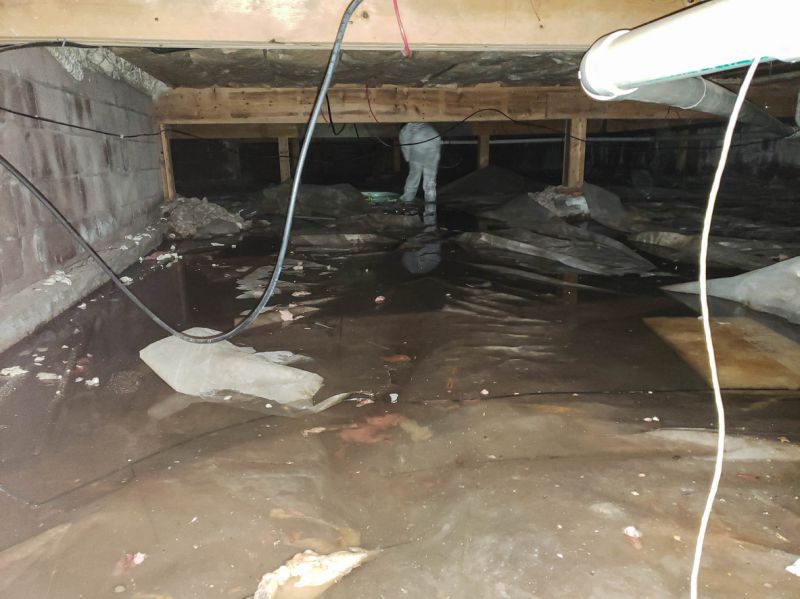
Ways to make Waterproofings work in tight or awkward layouts.
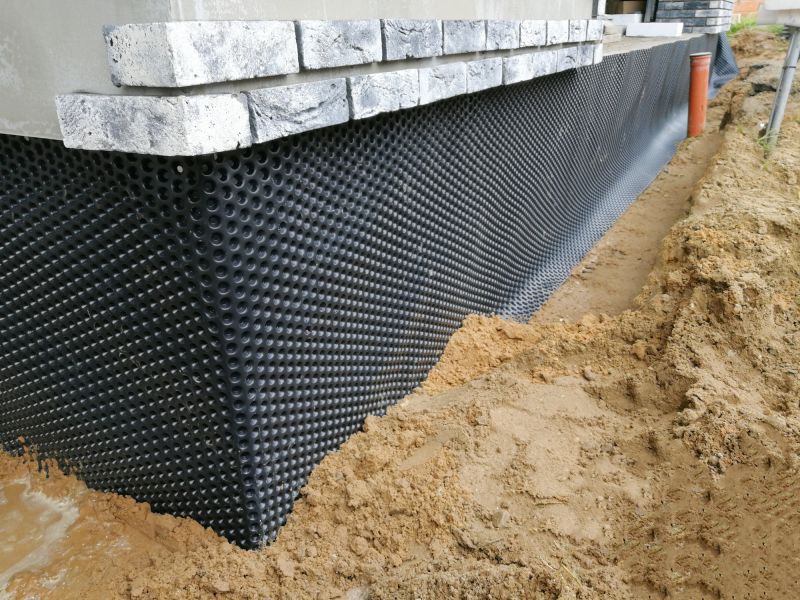
Popular materials for Waterproofings and why they hold up over time.
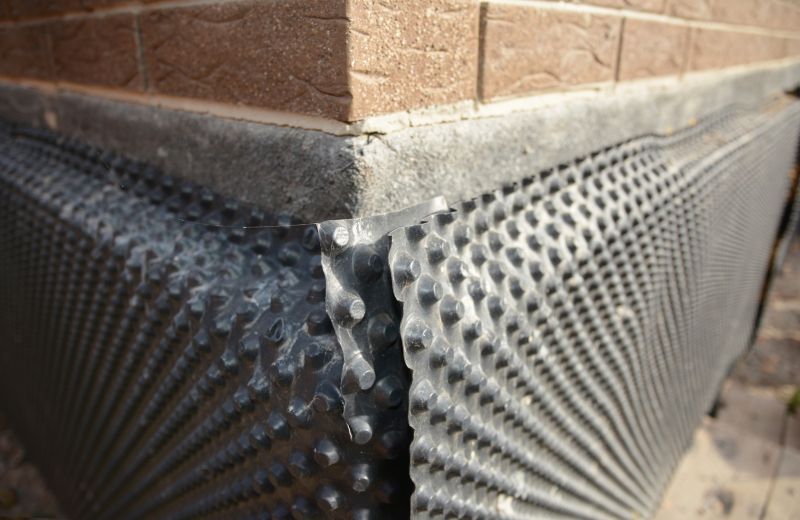
Simple add-ons that improve Waterproofings without blowing the budget.
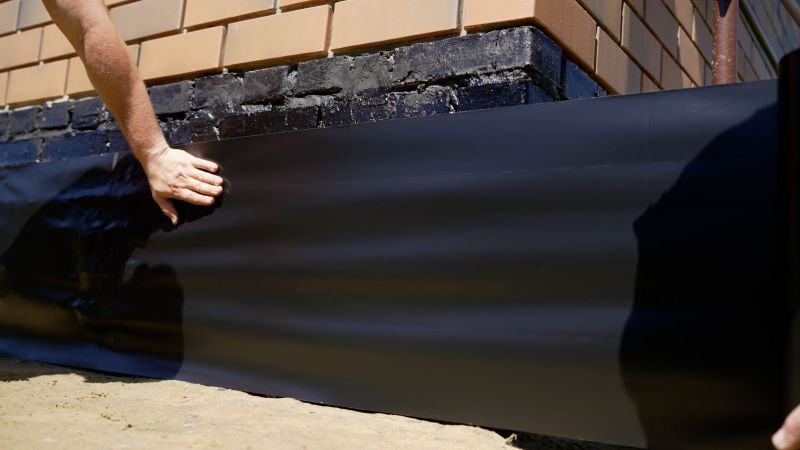
High-end options that actually feel worth it for Waterproofings.
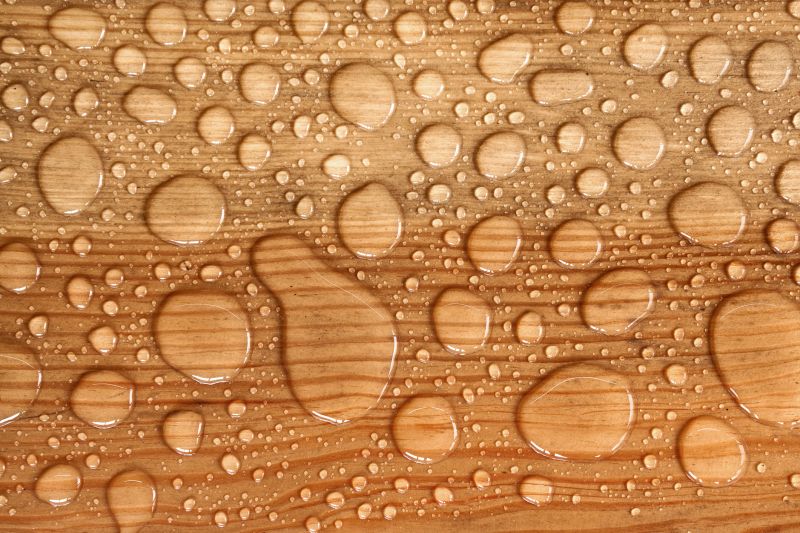
Finishes and colors that play nicely with Waterproofings.
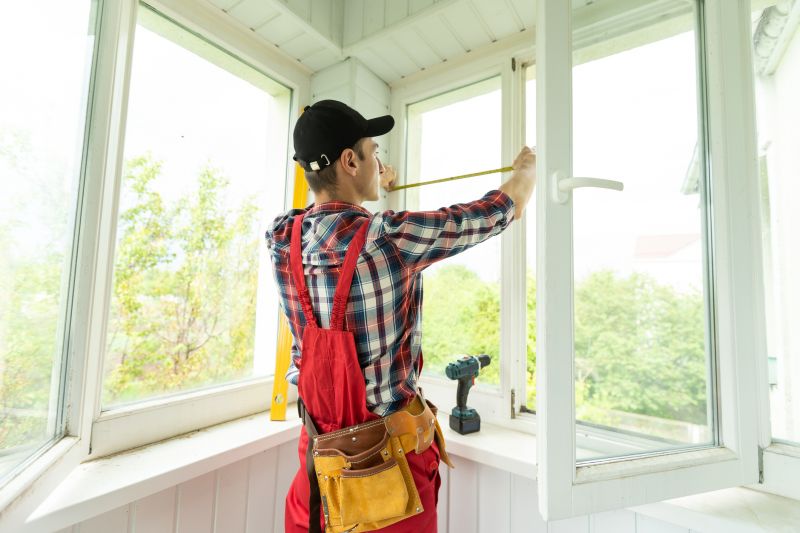
Little measurements that prevent headaches on Waterproofings day.
Waterproofing is a critical component in protecting structures from water intrusion, which can cause damage, mold growth, and structural deterioration. It involves applying specialized materials to surfaces such as foundations, roofs, and walls to create a barrier against moisture. Proper waterproofing extends the lifespan of a building and reduces maintenance costs.
Statistics indicate that water-related damages account for a significant percentage of structural repairs annually. Implementing waterproofing measures during the right season can prevent costly repairs and improve building durability. The choice of waterproofing material and application timing are essential factors influencing long-term performance.
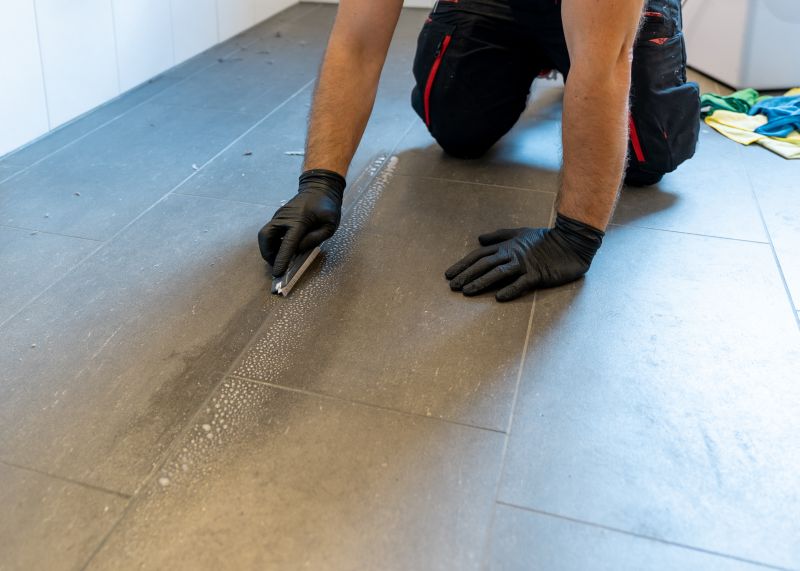
A 60-second routine that keeps Waterproofings looking new.
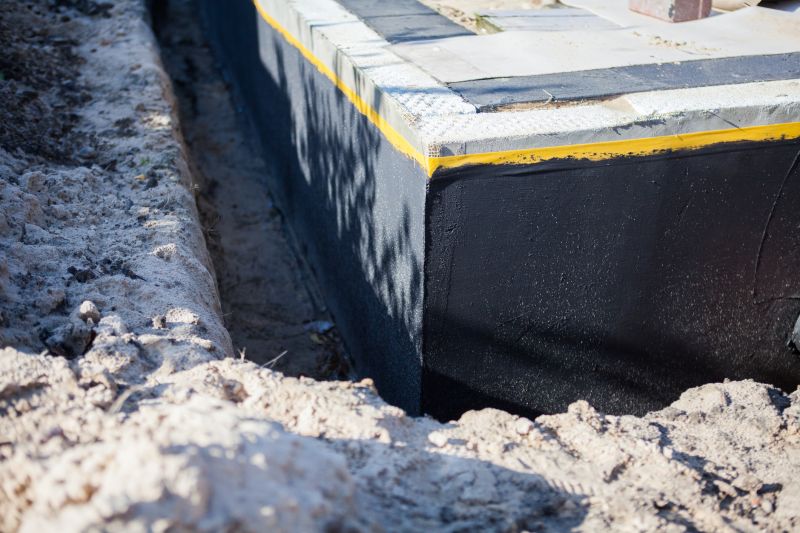
A frequent mistake in Waterproofings and how to dodge it.
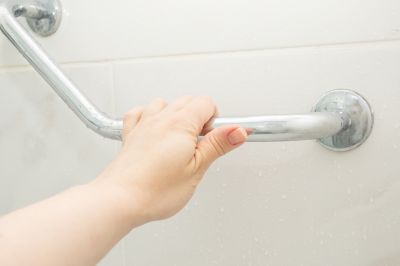
Small tweaks to make Waterproofings safer and easier to use.
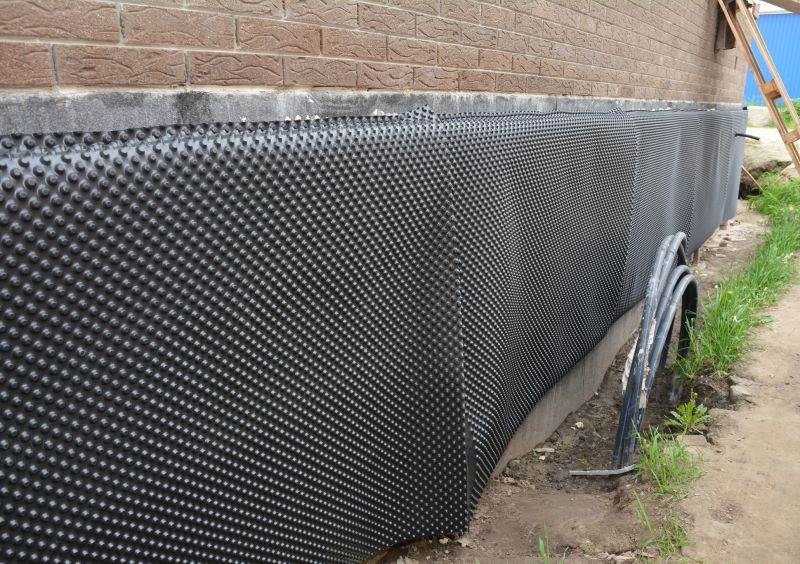
Lower-waste or water-saving choices for Waterproofings.
| Season | Ideal Conditions |
|---|---|
| Spring | Moderate temperatures, increased humidity, minimal rain |
| Summer | Dry weather, warm temperatures, low humidity |
| Fall | Cooler temperatures, lower humidity, avoid early frost |
| Winter | Freezing temperatures, moisture, and frost risk |
Choosing the appropriate time for waterproofing depends on local climate conditions and the specific project requirements. Proper planning ensures the application adheres well and provides maximum protection. Consulting with waterproofing professionals can assist in determining the best timing for individual projects.
If interested in waterproofing services, filling out the contact form can provide tailored advice and scheduling options based on local weather patterns and project needs.